
Industrial Accident Triage: Response Protocol for Workplace Events
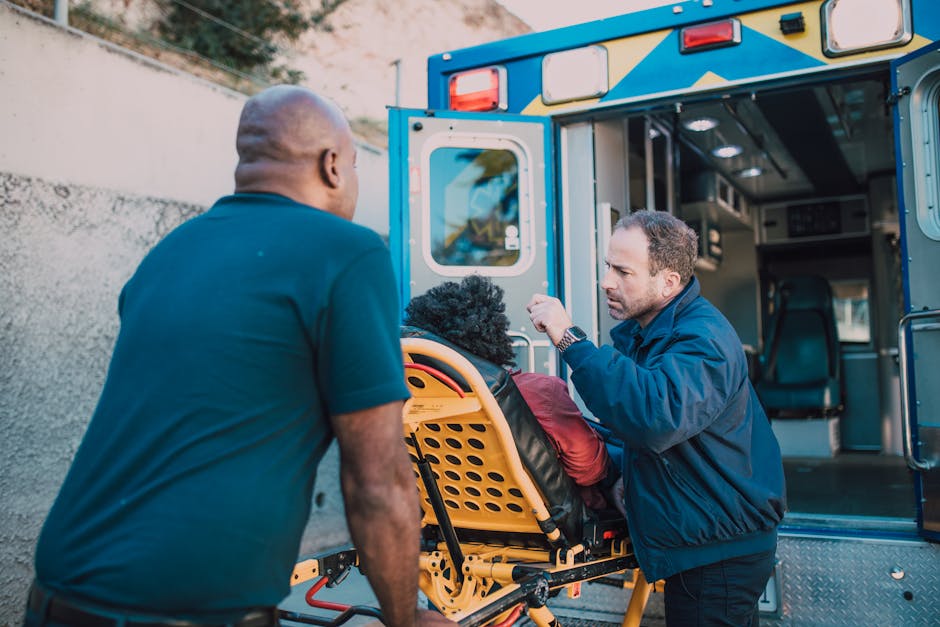
Industrial accidents, by their very nature, are often chaotic and unpredictable. When a major incident occurs in a workplace—a chemical spill, a structural collapse, or an explosion—the scene can quickly become overwhelming for initial responders. Multiple injured individuals, varying levels of severity, and potentially hazardous environments demand a systematic, efficient approach to stabilize the situation and save lives. Without a clear protocol, precious minutes can be lost, leading to tragic outcomes.
First responders arriving at such a scene face immense pressure. They must rapidly assess a dynamic environment, identify critical injuries, and allocate limited medical resources with precision. This isn’t just about providing care; it’s about making split-second decisions that prioritize who receives attention first, ensuring the greatest good for the greatest number. That’s where a standardized, easy-to-implement triage system becomes not just helpful, but essential.
At START Triage, we’ve dedicated decades to perfecting a system that meets this exact need. Our Simple Triage and Rapid Treatment (START) methodology provides an organized, memorable method designed for first responders to quickly identify the most critically injured, use limited resources effectively, and reduce decision fatigue under pressure. This battle-tested approach, used in countless real-world scenarios, including the 1995 Oklahoma City bombing and the 9/11 World Trade Center attack, helps bring order to the chaos of industrial mass-casualty incidents. We also apply this methodology to other critical incidents, as we discuss in our guide to Earthquake Emergency Response: START Triage for California Responders.
What is START Triage, and How Does it Work?
START Triage is a rapid victim assessment and categorization method for mass-casualty incidents, designed to be implemented by first responders with basic first aid knowledge. It provides a simple algorithm to quickly sort patients into four color-coded categories based on their ability to walk, respiratory status, perfusion (blood flow), and mental status (RPM). This allows responders to allocate initial care and evacuation priorities efficiently when many patients require help simultaneously.
The START system, first developed in 1983 by Hoag Memorial Hospital Presbyterian and the Newport Beach Fire Department, was designed to be easy to learn, easy to remember, and easy to use. Its core lies in a rapid, hands-on assessment that avoids complex medical interventions at the scene. Responders can triage each victim in 60 seconds or less. The goal isn’t to provide definitive treatment, but to quickly identify those who need immediate medical transport versus those who can wait or have injuries incompatible with life given the available resources.
The assessment follows a straightforward protocol:
- “Can you walk?” This immediate question identifies ambulatory patients, who are generally stable and assigned the “Green” tag (minor injuries).
- Respiration: For non-ambulatory patients, check for breathing. If not breathing, reposition the airway. If they start breathing, they’re “Red” (immediate). If still not breathing, they’re “Black” (deceased/expectant). If breathing, assess rate.
- Perfusion: Check radial pulse or capillary refill. Absence of pulse or capillary refill greater than 2 seconds indicates poor perfusion, leading to a “Red” tag.
- Mental Status: For those with adequate respirations and perfusion, assess mental status using simple commands. Inability to follow commands leads to a “Red” tag. Those who can follow commands are generally “Yellow” (delayed).
“In a mass casualty incident, the primary goal of triage is to maximize the survival of the greatest number of casualties by allocating resources appropriately based on injury severity and prognosis.”
What Are Key Industrial Accident Triage Protocols?
Effective industrial accident triage protocols focus on rapid assessment, hazard identification, and coordinated resource deployment. It starts with scene safety, isolating hazards, and establishing a command post. Once the scene is secure, first responders apply a system like START Triage to categorize victims quickly. Communication with incident command, medical facilities, and other agencies is paramount to ensure a smooth flow of patients and resources.
Beyond the immediate medical assessment, industrial accident protocols must integrate several layers of response. This includes:
- Scene Security and Hazard Mitigation: Before any triage begins, ensuring the safety of responders and preventing further harm is critical. This might involve shutting off power, containing spills, or stabilizing structures.
- Incident Command System (ICS): Establishing a clear command structure is vital for managing resources, personnel, and communications effectively. This prevents freelancing and ensures all efforts are coordinated.
- Patient Decontamination: In chemical or biological incidents, patients may require decontamination before medical treatment or transport, adding another layer of complexity to triage.
- Resource Management: Tracking available ambulances, hospital bed capacity, and specialized medical teams is essential for efficient patient distribution.
- Documentation: Accurate record-keeping of patient categories, treatments rendered, and transport destinations is crucial for continuity of care and post-incident analysis.
How Can Critical Incident Response Training Prepare First Responders?
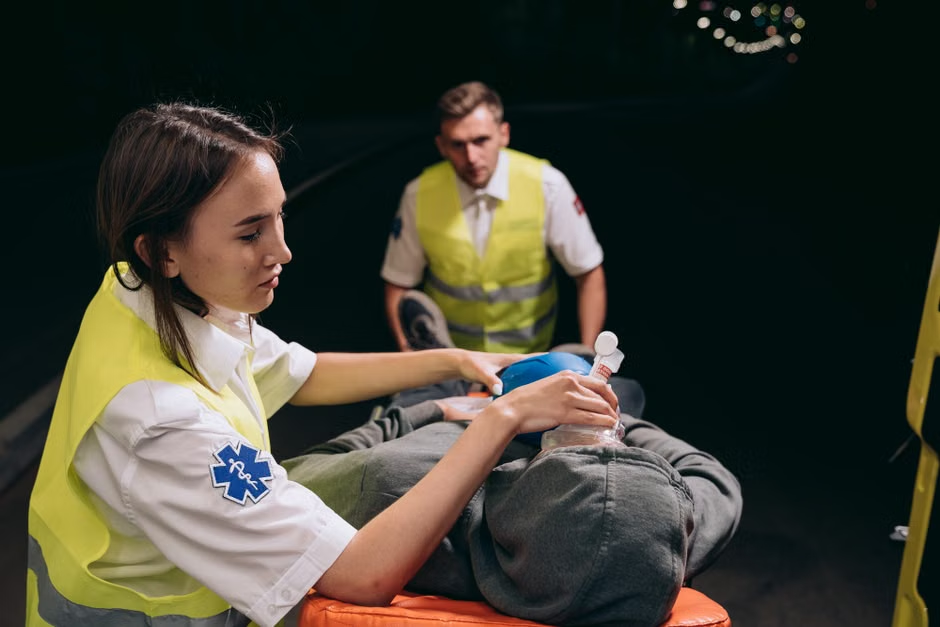
Critical incident response training prepares first responders by providing them with the necessary knowledge, skills, and decision-making frameworks to operate effectively under extreme pressure. Training focuses not only on medical interventions but also on scene management, communication, and personal safety. Realistic drills and scenario-based exercises, like those outlined in our Drill Plans for START Triage: Scenario-Based Training Exercises, are crucial for building muscle memory and reducing cognitive load during actual events.
Our training programs for the START system emphasize practical application, helping responders internalize the RPM algorithm. This isn’t just theoretical learning; it’s about developing the confidence to make life-saving decisions when every second counts. Training covers:
- Rapid Assessment Techniques: Mastering the 60-second triage process to quickly categorize victims.
- Triage Tag Application: Correctly using colored tags to communicate patient status to other responders.
- Basic Life Support Skills: Reinforcing essential airway management, bleeding control, and shock identification.
- Incident Command Integration: Understanding how triage fits into the larger incident command structure.
- Psychological Preparedness: Equipping responders to handle the stress and emotional toll of mass-casualty events.
Many California fire departments actively use the START system, a testament to its practical utility and the efficacy of structured training. We’ve seen firsthand how a well-trained team can transform a chaotic scene into an organized response, effectively managing patient flow and ensuring that those with the most urgent needs receive attention first. Our approach, including comprehensive instructor manuals and lesson plans, ensures responders are not just taught a system but truly master it.
What Should You Look For in a Workplace Injury Procedure Template?
A robust workplace injury procedure template should be clear, concise, and actionable, guiding employees and management through immediate response steps, reporting requirements, and follow-up actions. It needs to cover various injury types, from minor cuts to mass-casualty incidents, and clearly delineate roles and responsibilities. Crucially, it should integrate with established emergency response plans, like those detailed in our guide on Workplace Emergency Preparedness: Large Facility Response Planning.
When developing or reviewing a workplace injury procedure template, consider these essential components:
- Immediate Action Steps: Clear instructions for securing the scene, providing immediate first aid, and calling for emergency services.
- Evacuation Protocols: Specific procedures for evacuating the affected area, including muster points and headcount responsibilities.
- Communication Tree: Who needs to be notified within the organization, including supervisors, safety officers, and HR.
- Reporting Requirements: Details on internal accident reports, OSHA reporting guidelines, and insurance claims.
- Medical Treatment and Transport: Guidelines for seeking medical attention, including authorized medical providers and transportation arrangements.
- Post-Incident Review: Procedures for investigating the incident, identifying root causes, and implementing corrective actions to prevent recurrence.
- Employee Support: Resources for employees affected by the incident, including counseling or critical incident stress management information.
Having a well-documented and regularly rehearsed procedure is vital. It reduces panic, ensures compliance with safety regulations, and ultimately protects your workforce. The Centers for Disease Control and Prevention (CDC) emphasize the importance of preparedness plans for all workplaces to respond to various emergencies, including workplace violence and natural disasters, underscoring the broad need for comprehensive protocols.
“Preparedness plans help workplaces maintain operations during an emergency and can help prevent injuries and fatalities.”
Identifying Different Types of Incidents for Triage
Incidents requiring triage aren’t monolithic; they can range widely, impacting the nature of injuries and the specific response required. Understanding the categories helps in pre-planning and resource allocation. For example, a localized machinery accident might present with blunt trauma and crush injuries, while a chemical release could involve respiratory distress and burns. Recognizing the likely injury patterns informs initial assessments and sets expectations for medical resources.
While the START system remains universally applicable for mass-casualty triage, the context of the incident can influence tactical decisions. Here are some common categories of incidents where robust triage is essential:
- Natural Disasters: Earthquakes, floods, hurricanes, or wildfires often result in widespread trauma, crush injuries, and environmental exposures over a large geographic area.
- Industrial Accidents: Explosions, chemical spills, structural collapses, or machinery malfunctions can lead to a mix of burns, trauma, respiratory issues, and toxic exposures.
- Transportation Accidents: Multi-vehicle collisions, train derailments, or aircraft incidents frequently produce high-energy trauma, lacerations, and fractures.
- Active Threat Events: Active shooter or terrorist attacks, as seen in the Case Study: START System at 9/11 World Trade Center Attack, involve penetrating trauma, blast injuries, and a highly dangerous, evolving scene.
- Public Health Emergencies: Although not always involving immediate trauma, events like pandemics or mass poisonings can create a surge of patients requiring medical assessment and allocation of scarce resources.
Each type presents unique challenges. What remains constant is the need for a rapid, systematic approach to patient categorization. That’s why having a standardized system that translates across diverse scenarios is so valuable.
Realistic Expectations and What to Expect After an Incident
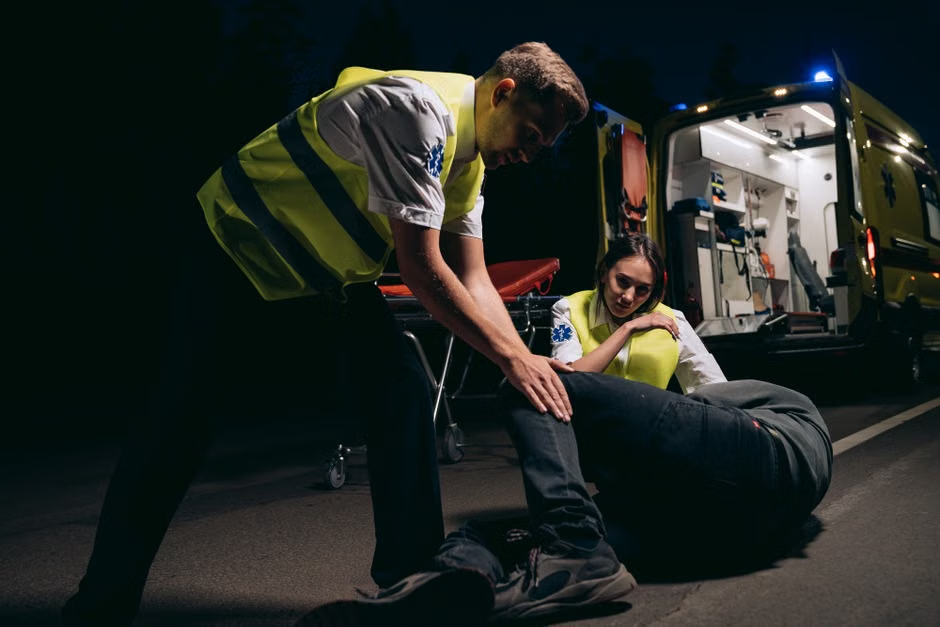
After a significant industrial accident, the immediate aftermath is often chaotic, but with a system like START Triage in place, you can expect an initial stabilization of the scene and clear prioritization of patient care within minutes. Within the first hour, most victims should be triaged, and critical patients should be en route to definitive care. The focus then shifts to ongoing assessment, secondary triage, and maintaining a clear operational picture for incident command.
The days and weeks following an incident also involve critical actions:
- Post-Incident Debriefing: Essential for responders to process the event, identify areas for improvement, and address potential critical incident stress.
- Incident Investigation: Thorough examination of the cause of the accident to prevent future occurrences, involving safety teams, management, and regulatory bodies.
- Resource Replenishment: Ensuring all emergency supplies, from triage tags to medical equipment, are restocked and ready for the next event.
- Policy and Procedure Review: Updating and refining workplace injury protocols based on lessons learned from the incident.
- Employee Support and Recovery: Offering counseling and support services to all affected employees, not just the injured, to aid in psychological recovery.
This systematic follow-through is as crucial as the immediate response. It ensures continuous improvement and resilience within the organization and the responder community.
Practical Tips for Enhancing Industrial Accident Response
Effective response to industrial accidents requires more than just knowing a triage system; it demands consistent preparation and practical application. Here are some actionable tips to bolster your organization’s readiness:
- Regular Training and Drills: Conduct scenario-based drills at least annually. Use realistic conditions, including low light, noise, and simulated injuries, to test your team’s ability to apply triage under pressure.
- Hazard Communication: Ensure all employees are familiar with potential workplace hazards and emergency shutdown procedures. Clear signage and readily accessible safety data sheets (SDS) are non-negotiable.
- Designated Triage Areas: Pre-identify safe, accessible locations within your facility where triage can be conducted away from immediate hazards. This minimizes secondary risks during an event.
- Cross-Training Personnel: Train a broad base of employees in basic first aid and the START Triage system. The more individuals who can assist in the initial stages, the more effective the overall response will be.
- Inventory and Accessibility of Supplies: Maintain well-stocked emergency kits, including triage tags, first aid supplies, and personal protective equipment (PPE). Ensure they are easily accessible and regularly checked for expiration dates.
- Communication Redundancy: Establish multiple communication channels (radios, mass notification systems, satellite phones) in case primary systems fail. Clear, concise communication is vital during a crisis.
Preparing for an industrial accident isn’t just a regulatory checkbox; it’s a commitment to protecting lives and maintaining operational continuity. A well-prepared team, equipped with a proven system like START Triage, can turn a potential catastrophe into a manageable emergency, ensuring optimal outcomes when every second counts. Your proactive approach today directly impacts the safety and resilience of your entire organization tomorrow.

Recent Comments