
START Training for Volunteer Fire Departments and Rural Responders
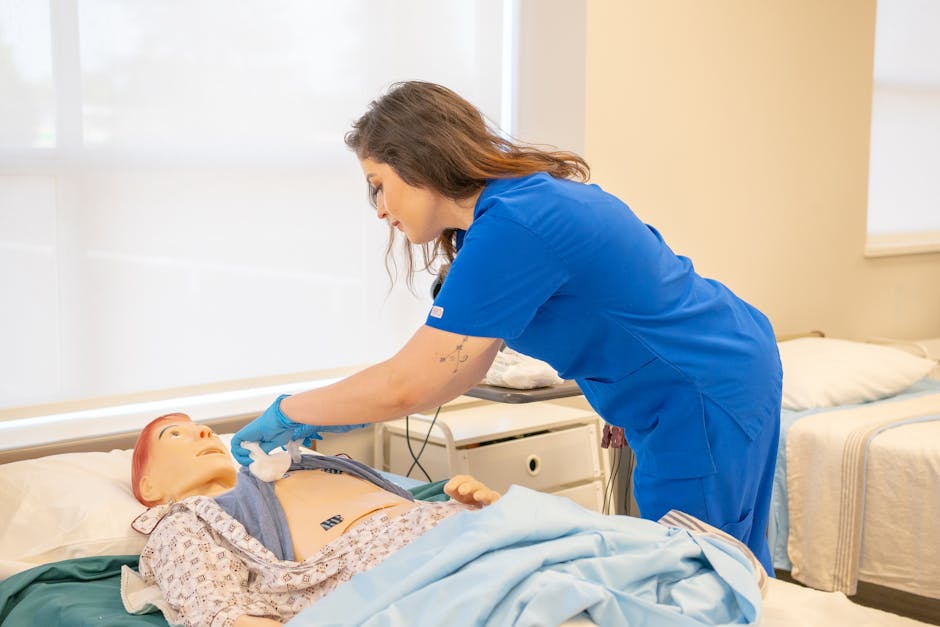
In the unpredictable world of emergency response, volunteer fire departments and rural responders often face unique challenges. You’re typically the first on scene, with limited resources and potentially fewer personnel than larger urban departments. When a mass-casualty incident (MCI) strikes, the pressure to make rapid, accurate decisions can be immense. How do you quickly identify the most critically injured and allocate resources effectively?
The answer lies in a standardized, easy-to-learn system. You need a method that reduces decision fatigue and allows your team to perform under pressure. That’s precisely what the START (Simple Triage and Rapid Treatment) Triage System provides. Since its inception by Newport Beach Fire Department and Hoag Hospital in 1983, START Triage has become a cornerstone of MCI management, designed specifically for first responders.
At START Triage, we’ve seen how crucial effective training is for these departments. This system isn’t just for big city agencies; it’s a battle-tested protocol that has been deployed in major incidents, including the 9/11 World Trade Center bombing and the 1995 Oklahoma City bombing. We offer comprehensive training materials and certifications to ensure your volunteers are prepared when every second counts. For a deeper dive into certification, you can explore our guide on START Training for First Responders: Certification and Competency.
What Is START Triage, and Why Do Volunteer Departments Need It?
START Triage is a straightforward, user-friendly system for rapidly assessing victims in a mass-casualty incident. It categorizes patients into four treatment priority levels: Immediate (Red), Delayed (Yellow), Minor (Green), and Deceased (Black). This systematic approach helps first responders make swift decisions, ensuring those with the greatest chance of survival receive attention first, even with limited personnel.
Volunteer departments, by their nature, often rely on members with varied levels of medical experience. A simple, organized, memorable method like START Triage bridges this gap. It standardizes the response, making sure every responder, regardless of their background, can quickly assess and tag victims, streamlining communication and resource allocation. As the Centers for Disease Control and Prevention (CDC) emphasizes, effective triage is critical to minimizing morbidity and mortality in mass casualty events.
How Does START Training Work for Volunteer Fire Departments?
The START Triage system is built around a simple algorithm, often remembered by the RPM mnemonic: Respiration, Perfusion, Mental Status. Responders can triage each victim in 60 seconds or less by checking these three parameters. This rapid assessment allows for the quick identification of the most critically injured patients, moving them towards care while managing the larger incident scene.
Our training focuses on practical, scenario-based learning. We provide instructor manuals, lesson plans, and drill plans to equip your department leaders to teach the system effectively. Andres Price, one of the key educators behind our system, emphasizes, “You need a system that is easy to learn, easy to remember and easy to use.” This philosophy underpinning all our training modules, ensures your volunteers gain confidence quickly.
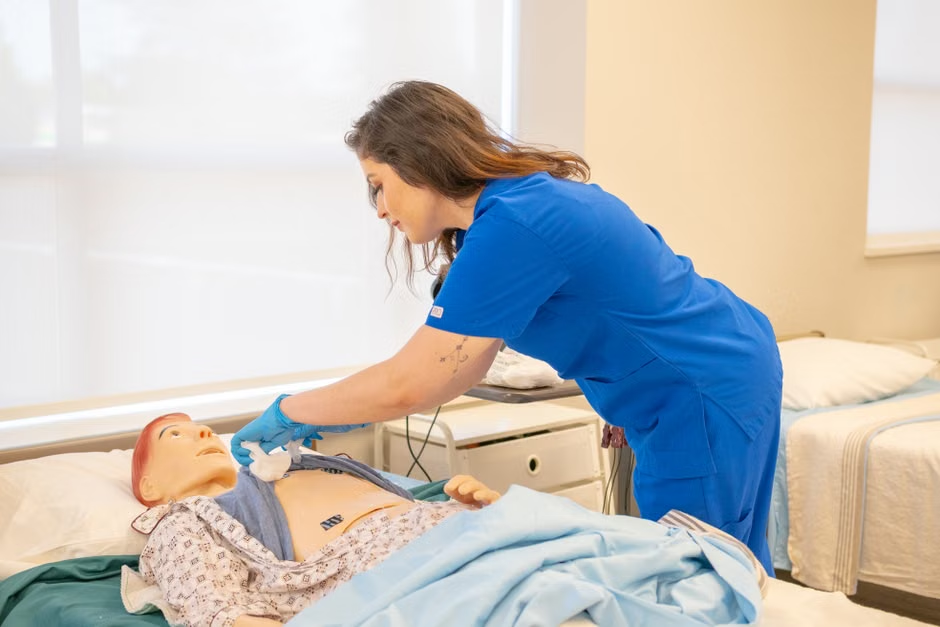
Volunteer firefighter training ideas for START Triage
Effective START Triage training for volunteer firefighters goes beyond lectures. It requires hands-on, realistic scenarios that simulate the chaos of a real MCI. Incorporating practical exercises with training casualties and triage tags helps reinforce the RPM steps and decision-making under pressure. Regular drills, even short ones, are vital for maintaining proficiency and team cohesion.
Here are some practical training ideas we recommend based on decades of experience working with departments like yours:
- Tabletop Exercises: Start with basic incident scenarios on paper. Discuss how to apply RPM, assign triage categories, and justify decisions.
- Role-Playing with Casualties: Use volunteers or medical dummies as victims, assigning various injuries and vital signs. Have responders practice the 60-second triage process.
- Progressive Scenario Drills: Begin with a small-scale incident (e.g., a car crash with 3-5 victims) and gradually increase complexity and number of casualties.
- Integration with Other Agencies: If possible, conduct joint drills with local EMS, police, or neighboring fire departments to practice multi-agency coordination.
- Post-Drill Debriefs: Always follow up with a thorough review, discussing what went well, areas for improvement, and reinforcing key START principles.
- Utilize Training Materials: Leverage resources like our Drill Plans for START Triage: Scenario-Based Training Exercises to structure your practice sessions effectively.
“The true measure of a disaster response system isn’t how it looks on paper, but how effectively it functions in the chaotic reality of an incident. Regular, realistic training is non-negotiable for volunteer responders.”
What are the Volunteer Fire Department training schedule best practices?
A successful training schedule for volunteer fire departments integrates regular, recurring sessions that build upon foundational knowledge. Instead of one-off extensive courses, break down START Triage into manageable modules, focusing on different aspects like initial scene size-up, the RPM algorithm, and patient tagging. Consistency is key for retention.
We recommend scheduling monthly or bi-monthly training sessions, even if they’re shorter. This keeps the material fresh and allows new volunteers to integrate seamlessly. Many California fire departments using our system find success with a modular approach, where they cover Lesson Plans for START Triage: Complete Curriculum Guide over several months, ensuring thorough understanding without overwhelming their members.
Do FEMA training courses complement START Triage?
Yes, FEMA (Federal Emergency Management Agency) training courses can absolutely complement START Triage training. While START provides the specific methodology for on-scene victim triage, FEMA offers broader frameworks for incident command, disaster preparedness, and community-level response. Courses like Incident Command System (ICS) or National Incident Management System (NIMS) enhance a volunteer responder’s overall understanding of large-scale incident management.
We’re focused on the crucial first minutes of a mass casualty event. FEMA courses, on the other hand, often focus on the larger strategic picture, resource management over extended periods, and multi-agency coordination. Integrating both types of training creates a well-rounded responder capable of managing the immediate chaos and understanding their role within a larger, organized response structure. For example, FEMA’s IS-100.C (Introduction to ICS) helps responders understand the command structure often used in parallel with triage operations.
“Effective disaster response requires a multi-layered approach, from immediate life-saving interventions to coordinated command structures. Training in both specialized protocols like START and broader frameworks like ICS is vital for comprehensive preparedness.”
What to Look For: Scenarios Where START Triage Shines
START Triage is particularly effective in situations where a sudden influx of casualties overwhelms initial resources. It’s designed for that initial chaos, helping responders bring order and make sense of a complex scene quickly. Here are scenarios where our system provides critical guidance:
- Mass transportation accidents (bus, train, plane crashes)
- Large-scale industrial accidents or chemical spills
- Natural disasters (earthquakes, tornadoes, floods) with multiple injured
- Active shooter incidents or other acts of violence
- Building collapses or structural failures
- Any event where the number of injured exceeds local everyday emergency response capacity
In these moments, responders don’t have time for complex medical assessments. They need an easy to learn, easy to remember and easy to use system that allows them to quickly identify the most critically injured and move on to the next patient.
Beyond START: Considering Alternatives and Specialized Triage
While START Triage is robust, it’s not the only system, nor is it always suitable for every demographic. For instance, JumpSTART is a pediatric-specific variant designed for children. Children’s physiological responses to trauma differ significantly from adults, making a dedicated pediatric triage algorithm essential. We strongly advocate for departments also training in JumpSTART if they serve communities with children, as most rural departments do.
Other, more advanced triage systems exist, like SALT (Sort-Assess-Lifesaving Interventions-Treat/Transport) or secondary triage methods used in hospital settings. These often require more advanced medical training and are typically applied after initial field triage. For volunteer fire departments focused on initial scene management and rapid categorization, START provides the most appropriate balance of speed, simplicity, and effectiveness.
What to Expect After START Training: Realistic Outcomes
After completing comprehensive START Triage training, your volunteer firefighters will be equipped with a consistent, reliable method for initial victim assessment in an MCI. You can expect your team to:
- Understand the principles of mass-casualty incident management.
- Accurately apply the RPM mnemonic to categorize patients.
- Confidently use triage tags to communicate patient status.
- Improve overall scene organization and reduce initial chaos.
- Enhance communication with arriving medical personnel.
Competency isn’t achieved overnight. Regular practice and drills are vital. With consistent training, responders can triage each victim in 60 seconds or less. Many departments find that within 3-6 months of regular, structured drills, their teams achieve high proficiency. Ongoing refreshers, especially for new recruits, will ensure the entire department remains ready. For those looking to take on a leadership role in training, we offer pathways on How to Become a Certified START Triage Instructor.
Practical Tips for Sustaining START Triage Proficiency
Maintaining a high level of proficiency in START Triage requires more than just initial training. It demands an ongoing commitment to practice and integration into your department’s culture. Here’s how to keep your volunteer team sharp:
- Regular Refresher Drills: Even a quick 15-minute review of RPM during a weekly meeting can make a difference.
- Scenario Variation: Don’t always use the same type of incident. Vary locations, times of day, and number/types of injuries to challenge responders.
- Feedback and Peer Review: Create a supportive environment where responders can give constructive feedback to each other after drills.
- Utilize Triage Tags: Always use actual triage tags during drills to simulate real-world conditions and develop muscle memory.
- Incorporate New Volunteers: Pair new recruits with experienced members during drills to facilitate knowledge transfer and team building.
- Stay Updated: Periodically review START Triage guidelines and any updates to ensure your department is using the most current protocols.
These practices reinforce the system and build the confidence necessary to perform under pressure, allowing your volunteers to use limited resources effectively during an emergency. We’ve seen these methods pay dividends in real-world deployments by departments across California, helping them manage incidents from minor traffic accidents to significant earthquake responses, as we discuss in Earthquake Emergency Response: START Triage for California Responders.
Empowering volunteer fire departments and rural responders with effective, practical training like the START Triage System is a mission we take seriously. Emergencies create chaos. Our system provides the organized, memorable method your team needs to quickly identify the most critically injured, use limited resources effectively, and reduce decision fatigue when it matters most. Preparing your team today means saving lives tomorrow. Make sure your volunteers have the tools they need to be effective first responders in any mass-casualty incident.

Recent Comments