
Multi-Agency System Integration: START in Law Enforcement Response
In the aftermath of a mass-casualty incident, chaos can quickly overwhelm even the most experienced first responders. When multiple agencies—law enforcement, fire-rescue, and EMS—converge on a scene, effective communication and a shared understanding of priorities become absolutely critical. Without a unified approach, efforts can become duplicated, resources misallocated, and precious time lost when every second counts for victims.
The challenge isn’t just arriving at the scene; it’s efficiently managing the complex environment that unfolds. Law enforcement often secures the perimeter, handles ongoing threats, and manages crowds, while medical personnel focus on patient care. The intersection of these vital roles demands a system that allows everyone to speak the same language when it comes to assessing injuries and prioritizing treatment. This is where a simple, reliable triage system becomes essential.
At START Triage, we’ve seen firsthand how a battle-tested system brings order to these situations. Our system provides that common language, enabling rapid, accurate victim assessment that seamlessly integrates with the broader incident command structure. Whether it’s a natural disaster or a complex coordinated attack, the need for all agencies to operate from the same playbook is paramount. Learn more about how the START Triage response proved critical at the 1995 Oklahoma City Bombing, a defining moment for interagency collaboration.
What is Multi-Agency System Integration in Emergency Response?
Multi-agency system integration in emergency response refers to the coordinated effort of various governmental and non-governmental organizations working together during an incident. This includes law enforcement, fire departments, emergency medical services, public health, and even private sector entities, all sharing information and resources to achieve a common goal of saving lives and mitigating impact. It’s about breaking down silos to form a unified front.
This integration isn’t just about sharing radios; it involves standardized protocols, interoperable communication systems, and shared training that ensures everyone understands their role and how it fits into the larger operation. The National Incident Management System (NIMS) provides a nationwide template to enable federal, state, local, tribal, and private sector and non-governmental organization entities to work together effectively. According to FEMA, NIMS offers “a systematic, proactive approach to guide government agencies, NGOs, and the private sector at all levels to work seamlessly to prevent, protect against, respond to, recover from, and mitigate the effects of incidents, regardless of cause, size, location, or complexity.” This framework highlights the critical importance of a unified approach, especially when diverse groups like law enforcement and medical responders must coordinate on the ground during a crisis.
Why is Interagency Collaboration Vital?
When mass-casualty incidents occur, resources are always stretched thin. No single agency possesses all the necessary personnel, equipment, or expertise to manage every aspect of a large-scale disaster on its own. Collaboration becomes a force multiplier. It ensures that specialized skills, like those of law enforcement securing a hazardous zone or paramedics providing advanced life support, are deployed efficiently and safely without conflicting with other agency objectives.
Effective collaboration reduces duplication of effort, minimizes communication breakdowns, and ultimately improves outcomes for victims. It also helps prevent secondary incidents by ensuring a holistic view of the scene and potential ongoing threats. Without it, confusion reigns. Andres Price, an experienced emergency services educator, emphasizes that “emergencies create chaos. An organized, memorable method like START assists responders to quickly identify the most critically injured, use limited resources effectively, and reduce decision fatigue under pressure.” This organized method extends beyond medical triage to encompass the entire multi-agency response.
How does START Triage Streamline Law Enforcement Response?
Law enforcement often arrives first at an incident scene, especially in situations involving violence or immediate threats. Their primary role shifts from initial threat mitigation to scene security and potentially, even initial casualty assessment. This is where START Triage proves invaluable. It’s a system designed to be easy to learn, easy to remember, and easy to use, even by those whose primary training isn’t medical.
The START algorithm (Simple Triage and Rapid Treatment) requires only a quick assessment of Respiration, Perfusion, and Mental status (RPM). This allows law enforcement officers, once a scene is secure, to conduct a preliminary triage on victims before fire-rescue or EMS personnel arrive in force. By quickly categorizing victims into immediate, delayed, minor, or deceased groups, law enforcement can provide critical information to incoming medical teams, helping them deploy resources more effectively. This initial assessment means medical resources can go directly to the most critical patients without delay. For a deeper dive into how this works, consider reviewing our guide on the START Triage Algorithm: The 60-Second Victim Assessment.
This early intelligence reduces decision fatigue for all responders and ensures that every minute counts. It’s not about turning police officers into paramedics, but about equipping them with a tool that enhances their ability to contribute to the overall life-saving mission in a multi-agency environment. For instance, in an active shooter scenario, law enforcement might be the first to reach injured victims in a warm zone, and their ability to quickly assign triage categories can be the difference between life and death before medical teams can fully access the area, as discussed in our piece on Active Shooter Response: Tactical Medical Triage Procedures.
What is an example of interagency collaboration?
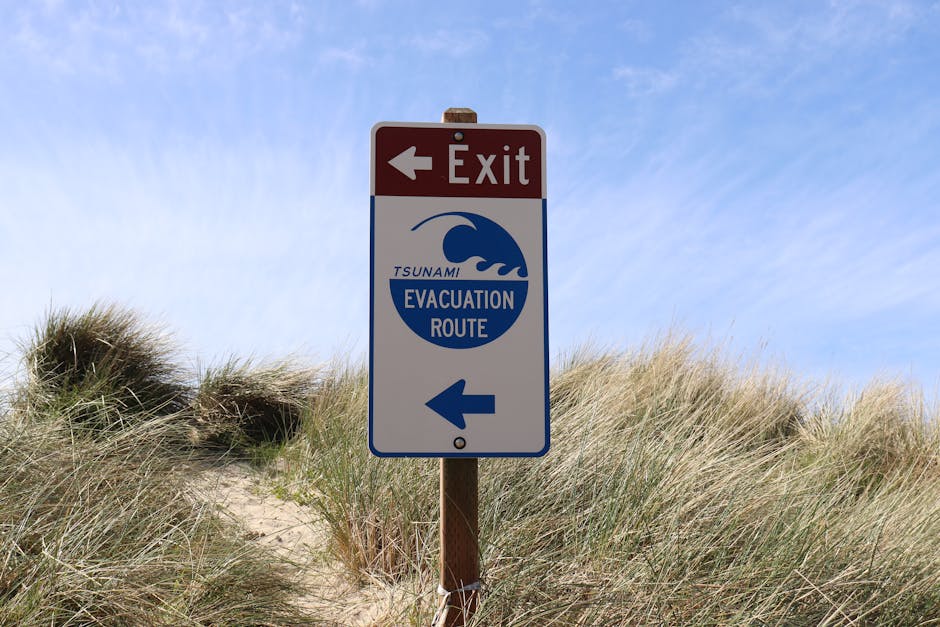
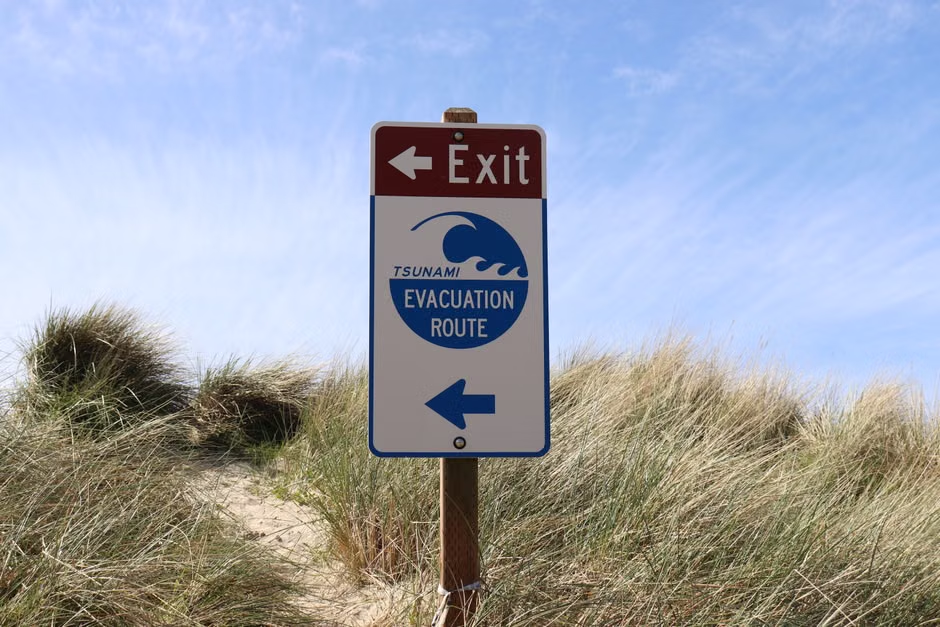
An excellent example of robust interagency collaboration is the response to a large-scale natural disaster, such as a major earthquake or a tsunami event along the California coast. In such scenarios, local law enforcement secures damaged areas and manages evacuations, fire departments conduct search and rescue, and EMS provides patient care. The Coast Guard might assist with water rescues, while state and federal agencies like FEMA coordinate resources and provide long-term support. All these entities must work under a unified command structure.
During the 9/11 World Trade Center bombing and the 1995 Oklahoma City bombing, the START system was deployed effectively, demonstrating its capability in real-world, high-stakes incidents involving multiple agencies and complex environments. These events underscored the need for all responders—police, fire, and medical—to operate with a shared understanding of patient priority. The success in these incidents wasn’t just about individual agency heroism; it was about integrated action. The Centers for Disease Control and Prevention (CDC) emphasizes that “effective public health emergency response requires strong collaboration among multiple agencies and organizations at all levels of government and within the private sector.” This principle extends to every aspect of disaster management, from initial response to long-term recovery efforts, underscoring the broad need for coordinated systems.
What does 1042 mean for cops?
While “1042” is not a universally recognized code across all law enforcement agencies, it sometimes refers to “end of tour” or “off duty” in specific radio code systems. Its meaning varies by jurisdiction. However, the broader implication for multi-agency response is the critical importance of clear, standardized communication codes and protocols. When agencies from different jurisdictions—or even different departments within the same jurisdiction—respond to an incident, conflicting codes can create confusion, delaying critical actions. This underscores the need for common operating pictures and language, particularly when coordinating a large-scale event like a tsunami warning response.
Even more vital than specific radio codes is the overarching framework for communication during a mass-casualty incident. The National Incident Management System (NIMS) addresses this by promoting plain language and standardized terminology over agency-specific codes, especially for interagency communication. This approach ensures that everyone, from a local police officer to a state emergency management official, understands critical messages without needing to decode jargon. When responding to an emergency like an Earthquake Emergency Response: START Triage for California Responders, this clarity is not just helpful; it’s life-saving.
What are the 4 levels of law enforcement agencies?
Law enforcement agencies generally operate across four main levels: local, county, state, and federal. Each level has distinct jurisdictions and responsibilities, yet they frequently collaborate during significant events. This layered structure, while effective for routine law enforcement, presents unique challenges during multi-agency incidents requiring complex integration.
- Local: City police departments, town marshals. They handle day-to-day law enforcement within municipal boundaries.
- County: Sheriff’s offices. They enforce laws in unincorporated areas and often operate county jails, serving as the primary law enforcement for rural communities.
- State: State police or highway patrol. Their jurisdiction typically covers highways, state-owned property, and providing support to local agencies.
- Federal: Agencies like the FBI, DEA, Secret Service, or Border Patrol. They enforce federal laws and often investigate crimes that cross state lines or fall under federal jurisdiction.
When a large-scale incident, such as a multi-vehicle pileup on a state highway or a coordinated threat across several cities, necessitates resources from multiple levels, these agencies must coordinate their efforts. A shared system like START ensures that medical assessment and resource allocation are consistent, regardless of which agency’s personnel are performing the initial triage. This prevents confusion and ensures that all patients receive an equitable initial assessment, improving the overall response efficiency.
The Role of a Warning System in Coastal Communities
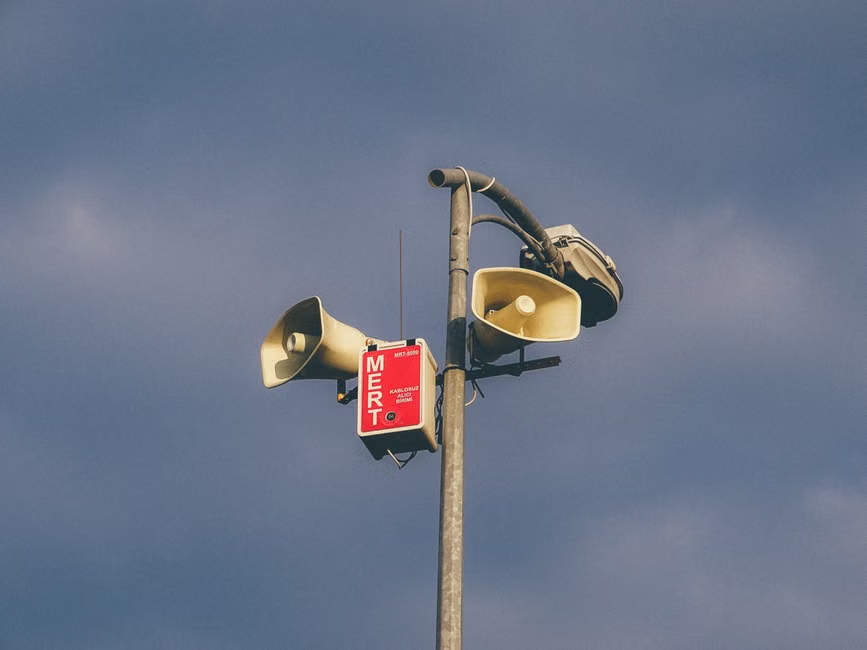
For coastal areas, particularly in California, a robust tsunami warning system is a critical component of disaster preparedness. Such systems integrate meteorological data, seismic monitoring, and oceanographic observations to detect potential threats and issue alerts. Law enforcement plays a crucial role in these events, not only in enforcing evacuation orders but also in managing the aftermath, which can involve significant casualties.

When a tsunami warning is issued, law enforcement agencies activate their emergency response plans, which often include establishing evacuation routes, securing affected areas, and preparing for potential search and rescue operations. After the immediate danger passes, these officers are often among the first to encounter injured individuals. Their ability to conduct rapid, standardized triage using the START system helps quickly identify those who need immediate medical attention, even before dedicated medical teams can establish full-scale operations. This forward deployment of basic triage skills is vital in widespread disaster scenarios where access to victims might be delayed.
“In the event of a tsunami, effective early warning systems combined with clear evacuation plans and trained first responders are essential to minimize loss of life and property,”
This FEMA guidance reinforces that the effectiveness of the warning system is only as good as the response mechanisms in place. And START Triage is a core part of that response, ensuring that when the waves recede, the most vulnerable are identified and helped without delay.
Integrating START with Law Enforcement Protocols
Integrating the START triage system into law enforcement’s standard operating procedures doesn’t require a complete overhaul of existing protocols. It involves targeted training and clear guidelines on when and how officers should apply the system. In our practice, we’ve seen that officers with basic first aid knowledge can become proficient in START triage with minimal training because the system is designed to be straightforward and actionable under pressure.
Here are some practical tips for seamless integration:
- Joint Training Exercises: Conduct drills that involve both law enforcement and EMS/fire personnel, practicing START triage in simulated mass-casualty environments. This builds familiarity and trust between agencies.
- Standardized Equipment: Ensure all responding agencies use compatible triage tags or a common digital platform for victim tracking. This allows for seamless handover of patient information.
- Clear Communication Channels: Establish dedicated radio channels or communication protocols specifically for mass-casualty incidents, promoting plain language over agency-specific codes for patient status updates.
- Define Roles and Responsibilities: Clearly delineate when law enforcement assumes primary triage duties (e.g., in hot or warm zones) and when those responsibilities transfer to medical personnel.
- Regular Refresher Courses: Mass-casualty events are infrequent, so periodic training and refreshers are vital to maintain proficiency and adapt to any updates in protocols.
- Feedback and Review: After any multi-agency incident or exercise, conduct a thorough debriefing to identify strengths, weaknesses, and areas for improvement in integration.
While START is an incredibly effective tool for rapid assessment, it’s not the only system out there. Some departments may also use systems like MASS Triage (Move, Assess, Sort, Send) which has similar goals. The key is to choose a system that is consistent across all responding agencies to avoid confusion. We’ve previously compared START vs. MASS Triage: Which System Should Your Department Use to help agencies make an informed decision.
What to Expect from a Coordinated Multi-Agency Response
When law enforcement, fire-rescue, and EMS agencies effectively integrate their response with a standardized system like START, you can expect a more organized and efficient management of mass-casualty incidents. This translates directly to better outcomes for victims. The initial chaos will be mitigated more quickly, and resources will be allocated where they’re needed most, faster than ever before. Realistically, within the first 30-60 minutes of a major incident, a well-integrated team should be able to:
- Establish a unified command structure.
- Secure the scene and identify any ongoing threats.
- Conduct initial rapid triage of a significant number of victims using START protocols.
- Prioritize extrication and transport for immediate-category patients.
- Provide preliminary information to hospitals and receiving facilities about anticipated patient loads and injury types.
This isn’t about perfection, but about drastically reducing the impact of unforeseen events. The experience signals from the START system’s deployment in major incidents like 9/11 and the 1995 Oklahoma City bombing show that a standardized, easy-to-use system significantly improves the speed and accuracy of initial response, leading to more lives saved. The goal is to move from chaos to control, and from uncontrolled injuries to prioritized care, as swiftly and safely as possible.
Integrating the START triage system into your agency’s multi-agency response protocols isn’t just about adopting a new tool; it’s about investing in the safety of your community and the efficiency of your first responders. It’s about providing law enforcement, fire-rescue, and medical personnel with an organized, memorable method that stands up to the pressure of real-world emergencies. By ensuring everyone understands and utilizes the same proven methodology for victim assessment, we don’t just respond to disasters, we manage them effectively.

Recent Comments