
Developing START Instructors for Your Fire Department
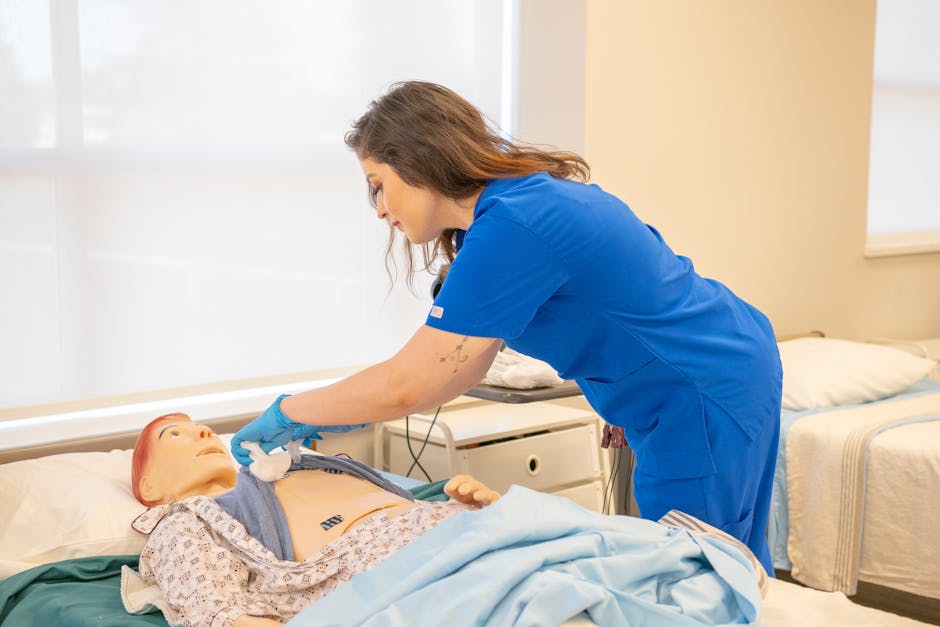
In the chaos of a mass-casualty incident, the difference between life and death often comes down to rapid, organized decision-making. First responders need a system that is easy to learn, easy to remember, and easy to use, especially when faced with overwhelming numbers of injured. That’s where the START triage system comes in, offering a clear path through the confusion.
But a system is only as effective as the people who implement it. For fire departments and other emergency services, developing a cadre of highly skilled START instructors isn’t just beneficial; it’s essential. These instructors are the backbone of preparedness, ensuring every responder can quickly identify the most critically injured and use limited resources effectively.
Our goal at START Triage is to empower your department with the tools and knowledge to build that instructional capability. We’ve seen firsthand how a well-trained instructor corps elevates an entire department’s readiness, allowing them to manage complex emergencies with calm authority. Understanding how to develop these experts is key to enhancing your community’s safety and response capabilities.
What is START Triage? A Foundation for Incident Response
START, which stands for Simple Triage and Rapid Treatment, is a systematic approach to categorizing victims during a mass-casualty incident based on their physiological status. It helps responders quickly assess patients and assign them to one of four categories: deceased (black), immediate (red), delayed (yellow), or minor (green). This initial assessment guides the allocation of resources and prioritizes transport, ensuring those with the most urgent needs receive attention first.
The system was developed in 1983 by the Hoag Hospital and Newport Beach Fire Department in California and later updated in 1994, becoming a standard for field triage. It’s designed to be performed by first responders with basic medical training in 60 seconds or less per victim, even in high-stress environments. Its effectiveness has been demonstrated in major incidents, including the 9/11 World Trade Center bombing and the 1995 Oklahoma City bombing, underscoring its battle-tested reliability.
“Effective triage protocols, like START, are fundamental for minimizing morbidity and mortality in mass-casualty events by ensuring critical resources are directed to patients with the highest likelihood of survival with immediate intervention.”
What is the 4-Step Method of Instruction for Fire Instructors?
The 4-step method of instruction, often called the “Preparation, Presentation, Application, and Evaluation” model, provides a structured framework for delivering effective training. This approach helps fire instructors systematically impart knowledge and skills, ensuring trainees not only understand the material but can also apply it competently in real-world scenarios. It’s a foundational model for teaching critical skills within any fire department.
1. Preparation
Before stepping in front of a class, instructors must prepare thoroughly. This involves defining clear learning objectives, gathering all necessary materials (such as our Lesson Plans for START Triage: Complete Curriculum Guide), and understanding the audience’s existing knowledge. A well-prepared instructor anticipates questions, plans practical exercises, and ensures the learning environment is conducive to instruction.
2. Presentation
This is where the instructor delivers the content. It’s not just about lecturing; it’s about engaging trainees. Effective presentation uses varied techniques like visual aids, demonstrations, and clear explanations. For START triage, this means breaking down the RPM (Respirations, Perfusion, Mental Status) algorithm into manageable parts, showing how each step flows into the next. Remember, responders need to internalize this system under pressure, so clarity is paramount.
3. Application
Simply hearing about START isn’t enough. Trainees must practice. This step involves hands-on exercises, simulations, and scenario-based training. Using Drill Plans for START Triage: Scenario-Based Training Exercises allows instructors to create realistic mass-casualty incidents where responders can apply the RPM assessment criteria under timed conditions. Practical application reinforces learning and builds confidence.
4. Evaluation
The final step assesses whether the learning objectives have been met. This can include written tests, practical skill demonstrations, and performance evaluations during simulations. Feedback should be constructive and timely, helping trainees understand their strengths and areas for improvement. For START, evaluation confirms that responders can accurately and quickly triage victims, a critical skill when every second counts.
What’s Involved in Becoming a Certified START Triage Instructor?
Becoming a certified START Triage instructor requires a commitment to mastery and the ability to effectively convey complex information in a high-stakes field. It’s more than just knowing the system; it’s about understanding adult learning principles, managing dynamic training environments, and inspiring confidence in future responders. Your role is to ensure every trainee can perform under pressure.
Typically, the path involves demonstrating a strong foundational understanding of the START algorithm and mass-casualty incident management, often through prior experience as a first responder. Candidates then undergo specialized training focused on instructional techniques specific to the START system, including how to teach the RPM mnemonic and how to set up effective drill scenarios. Our program for How to Become a Certified START Triage Instructor provides a structured curriculum designed to equip you with these capabilities, ensuring you can lead your department’s training with confidence and expertise.
How Do Fire Dynamics and Behavior Training Fit into Broader Incident Response?
While START triage focuses on victim assessment, understanding fire dynamics and behavior is crucial for the overall safety and effectiveness of a fire department’s response. These training areas provide firefighters with knowledge about how fires grow, spread, and react to intervention, directly impacting tactical decisions. It’s about predicting the fire’s next move and protecting responders as they work to reach victims and mitigate hazards.
Integrating fire dynamics and behavior training alongside medical response protocols creates a more holistic and robust incident commander and firefighter. Knowledge of these principles helps incident commanders make informed decisions about ventilation, suppression, and search and rescue strategies, which in turn creates a safer environment for triage teams to operate. For instance, understanding flashover points allows incident commanders to manage risk, ensuring that the scene remains as stable as possible for teams performing critical tasks like victim assessment. Effective training for fire departments often involves a blend of these specialized areas to produce well-rounded and highly capable responders.
“Comprehensive training for emergency responders must encompass both the immediate life-saving medical interventions and a deep understanding of the environmental hazards they face, such as fire behavior, to ensure both rescuer and victim safety.”
Essential Components of START Instructor Training
To be truly effective, START instructors need more than just a firm grasp of the triage algorithm. They require a specific set of skills and resources. Our decades of experience developing and deploying START have shown us what works in the field and in the classroom.
Key components for successful instructor training include:
- **Mastery of the START & JumpSTART Algorithms:** Instructors must not only understand the adult START system but also the Pediatric JumpSTART variant, recognizing the physiological differences in children during mass-casualty events.
- **Adult Learning Principles:** Understanding how adults learn best, including hands-on experience and scenario-based training, is vital for engaging busy first responders.
- **Effective Communication Skills:** The ability to clearly articulate complex concepts, provide constructive feedback, and facilitate group discussions.
- **Drill & Scenario Development:** Instructors need to design and execute realistic training drills that simulate the chaos and pressure of a real mass-casualty incident.
- **Resource Utilization:** Knowing how to effectively use training aids like instructional DVDs, triage tags, and training cards to enhance the learning experience.
- **Post-Incident Review & Debriefing:** Instructors should be able to lead effective debriefs, analyzing performance, reinforcing best practices, and identifying areas for improvement.
Developing instructors who can effectively lead START Training for First Responders: Certification and Competency is a key investment for any fire department, from small municipal departments to large metropolitan forces like those you’d find in a major city, ensuring consistent, high-quality response capabilities across the board.
Practical Tips for Developing and Maintaining START Instructors
Building a strong team of START instructors is an ongoing process. It requires continuous support, resources, and opportunities for growth. Here are some practical tips we’ve gathered from working with countless fire departments, including many in California, who actively use the START system.
- **Provide Ongoing Education:** Encourage instructors to attend refresher courses, conferences, or workshops on mass-casualty incident management and adult education techniques.
- **Regular Practice Drills:** Organize regular, large-scale drills where instructors can practice their teaching skills and refine scenario development. This keeps their skills sharp and identifies areas for improvement.
- **Peer Mentorship:** Pair new instructors with experienced mentors. This allows for knowledge transfer, shared best practices, and a supportive learning environment.
- **Access to Current Materials:** Ensure instructors have access to the most up-to-date START training materials, including revised protocols, new drill plans, and refreshed presentation aids.
- **Dedicated Training Time:** Allocate specific time for instructor development within your department’s training schedule. Don’t let it become an afterthought.
- **Seek External Feedback:** Periodically invite outside evaluators or experienced instructors from other agencies to observe your training sessions and provide objective feedback.
Developing dedicated START instructors ensures that your fire department is always prepared. When every second counts, having a team that can quickly identify the most critically injured and use limited resources effectively is paramount. Investing in your instructors is an investment in your entire community’s safety and resilience.

Recent Comments