
Triage Tags and Equipment: Reusable vs Single-Use Systems

When mass-casualty incidents (MCIs) strike, chaos can quickly overwhelm even the most prepared first responders. The immediate aftermath demands rapid assessment and decision-making, often under immense pressure and with limited resources. Critical to this initial response is effective triage, the process of sorting victims to quickly identify the most critically injured and prioritize care.
The tools responders use in these moments — particularly triage tags and related equipment — play a vital role. Choosing the right system, whether single-use or reusable, can impact not only the efficiency of the response but also logistical considerations, training protocols, and even long-term budget planning for your department. Understanding the distinctions is key to optimizing your readiness.
At START Triage, we’ve dedicated decades to refining methods and providing the best training for first responders. We know you need systems that are easy to learn, easy to remember, and easy to use when every second counts. Our START training for EMS and paramedics emphasizes practical application with reliable equipment, ensuring responders can triage each victim in 60 seconds or less.
What Are Triage Tags and Equipment?
Triage tags are standardized visual aids used in mass-casualty incidents to quickly categorize injured individuals based on the severity of their condition and the urgency of treatment needed. They typically employ a color-coded system (Red, Yellow, Green, Black) corresponding to immediate, delayed, minor, and deceased categories. Equipment refers to any tools, from the tags themselves to accessories like pens, clipboards, and even personal protective equipment (PPE), that facilitate the triage process on-scene.
The primary purpose of triage equipment is to provide a clear, concise, and universally understood method for communicating patient status to subsequent levels of care. These tools help responders use limited resources effectively, ensuring those with the highest chance of survival and most urgent needs receive attention first. As the Centers for Disease Control and Prevention (CDC) outlines, effective triage is fundamental to saving lives during large-scale emergencies by directing appropriate medical resources where they’re most needed (CDC Mass Casualties).
What is the difference between single-use and reusable medical devices?
Single-use medical devices are designed for one patient encounter and then discarded, while reusable devices are intended for multiple uses on different patients after being properly cleaned, disinfected, or sterilized. In the context of triage, this distinction impacts everything from cost and environmental footprint to infection control and logistical demands during an emergency response.
This fundamental difference dictates how equipment is managed before, during, and after an incident. Single-use items streamline on-scene operations by eliminating post-incident decontamination, reducing the risk of cross-contamination, and often simplifying inventory tracking. Reusable items, while potentially more durable, demand robust protocols for cleaning, maintenance, and storage to ensure they remain safe and effective for future use.

What To Look For: Essential Triage Tag Features
Selecting the right triage tags and supporting equipment is crucial for an efficient and effective mass-casualty response. The best equipment helps responders reduce decision fatigue under pressure, providing an organized, memorable method for patient assessment.
- Durability and Weather Resistance: Tags must withstand adverse conditions—rain, wind, mud, blood, and rough handling. Laminates or tear-resistant synthetic papers are often preferred.
- Clear, Universal Color Coding: Adherence to established color standards (Red, Yellow, Green, Black) is non-negotiable for rapid identification and communication among different agencies.
- User-Friendly Design: Tags should be easy to attach securely to a patient, simple to mark, and have clear sections for vital signs, mechanism of injury, and patient demographics.
- Portability and Accessibility: Equipment should be lightweight, compact, and easily accessible from responder kits. Many agencies opt for integrated training packs that include tags, pens, and instructions.
- Visibility: Tags should be large enough to be seen from a distance, even in low light conditions, assisting incident commanders in quickly assessing the overall scene.
- Infection Control Considerations: While tags are generally single-use, the material should resist fluids and be easy to handle with gloved hands without compromising sterility of the responder’s gloves.
Our START training materials include durable, clearly designed triage tags that meet these critical criteria, engineered for real-world scenarios where ease of use is paramount.
Is it acceptable to reuse single-use medical devices if they have been properly cleaned and sterilized?
No, it is generally not acceptable to reuse medical devices explicitly labeled as “single-use” or “disposable,” even if they appear to have been properly cleaned and sterilized. These devices are manufactured and tested with the expectation of a single application, meaning their materials, design, and integrity may not withstand reprocessing without degradation, potentially compromising patient safety and efficacy.
The U.S. Food and Drug Administration (FDA) has stringent regulations concerning the reuse of single-use devices, primarily due to concerns about maintaining the device’s original function, material integrity, and sterility after reprocessing (FDA on Reprocessed Single-Use Devices). In the high-stakes environment of a mass-casualty incident, the risk associated with a compromised device, however minor, is simply too great. Responders need absolute confidence in their tools to focus on the immediate needs of victims.
“Reprocessing single-use devices can pose significant risks, including incomplete cleaning or sterilization, material degradation, and altered device functionality. These issues can lead to adverse patient events, and for this reason, manufacturers label such devices ‘for single use only’ to prevent unintended harm.”
Nuanced Suitability: When to Choose Reusable Triage Tools
While single-use triage tags are the standard for actual incident response, there are specific, limited scenarios where reusable items find their place. These typically involve training and simulation environments rather than live emergencies. For instance, durable, reusable training tags can be excellent for hands-on drills, allowing trainees to practice the START algorithm repeatedly without incurring the cost of disposable tags for every exercise. This approach helps reduce training costs while reinforcing muscle memory.
However, when facing a real mass-casualty incident, the emphasis shifts entirely to patient safety, rapid deployment, and minimizing contamination risks. Here, single-use systems shine. They simplify logistics post-incident; there’s no need for complex decontamination protocols for used tags. For your department, investing in START certification programs often includes robust training scenarios that leverage both types of equipment appropriately, preparing responders for any situation.
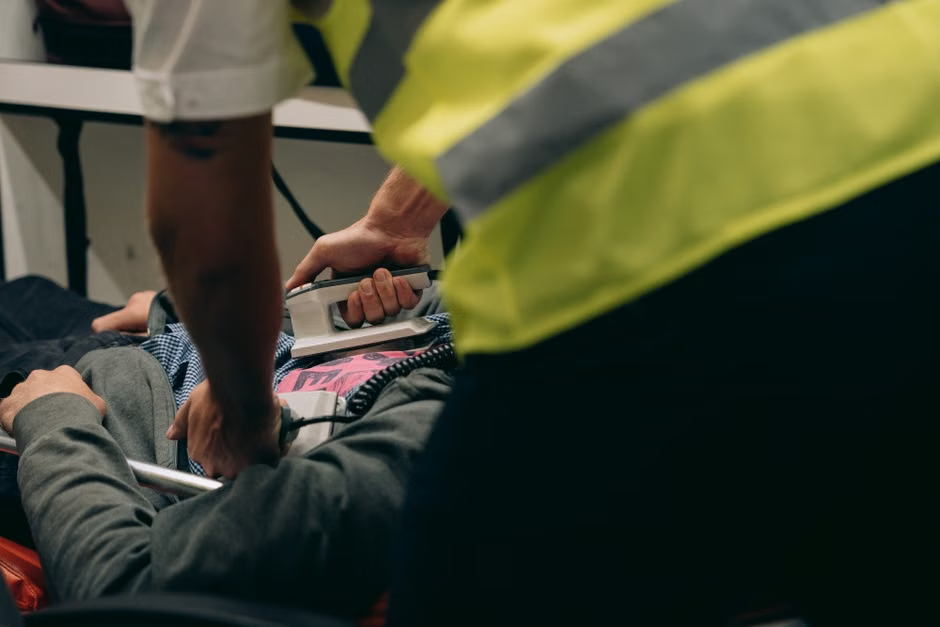
Environmental Impact of Single-Use Medical Devices
The environmental impact of single-use medical devices is a growing concern, as the healthcare sector generates a substantial amount of waste annually. Disposing of single-use items, including triage tags, contributes to landfill burden and can increase carbon footprint through manufacturing and transportation. However, in emergency response, the priority remains immediate life-saving interventions and infection control, often outweighing environmental considerations at the point of care.
While environmental consciousness is important, the design of single-use triage tags prioritizes rapid deployment, clear communication, and preventing cross-contamination in critical situations. Organizations and manufacturers are exploring more sustainable materials and waste management solutions for medical products, but for active emergency use, the benefits of single-use tags in protecting both patients and responders continue to lead the decision-making process.
“While the environmental impact of single-use medical devices is significant, their use in acute care and emergency medicine is often non-negotiable due to paramount concerns for patient safety, infection prevention, and the efficiency required during time-sensitive interventions.”
Practical Tips for Managing Triage Equipment
Effective management of your triage equipment stockpile ensures your team is always ready. Based on our experience working with California fire departments and other first responder agencies, we’ve identified several key practices:
- Regular Inventory Checks: Conduct quarterly or bi-annual checks of all triage tags and associated equipment. Ensure quantities match your operational plans and expiration dates (if applicable) are noted.
- Strategic Storage: Store tags and equipment in easily accessible, clearly marked kits or caches. Distribute them strategically across apparatus, command vehicles, and fixed incident locations.
- Integration with Training: Use your actual triage tags in drills and exercises. This familiarizes responders with the specific equipment they’ll use in a real incident and highlights any practical limitations.
- Maintain Ancillary Supplies: Don’t forget durable, weather-resistant pens, clipboards, and adequate lighting if operations might extend into low-light conditions.
- Post-Incident Replenishment Protocol: Establish a clear procedure for restocking used equipment immediately after an incident or major drill. You don’t want to be caught short during the next emergency.
- Dedicated Equipment Officer: Assign responsibility for equipment oversight to a specific individual or team. This ensures accountability for inventory, maintenance, and replenishment.
What to Expect from Well-Managed Triage Equipment
When your department maintains well-managed, high-quality triage equipment and couples it with consistent START training, you’ll see tangible improvements in incident response. Expect a significant reduction in on-scene confusion during an MCI. Your responders will quickly identify the most critically injured, making rapid decisions with confidence. This organized, memorable method reduces decision fatigue, allowing precious seconds to be spent on patient care, not fumbling with inadequate tools.
You’ll find that resources are allocated more effectively, improving patient outcomes and streamlining the flow of information to medical treatment areas. This preparedness isn’t just about having the right gear; it’s about fostering a culture of readiness where every responder understands their role and has the reliable tools to perform it. It’s about ensuring that when disaster strikes, your team is not just reacting, but responding with precision and purpose.

Recent Comments