
Earthquake Emergency Response: START Triage for California Responders
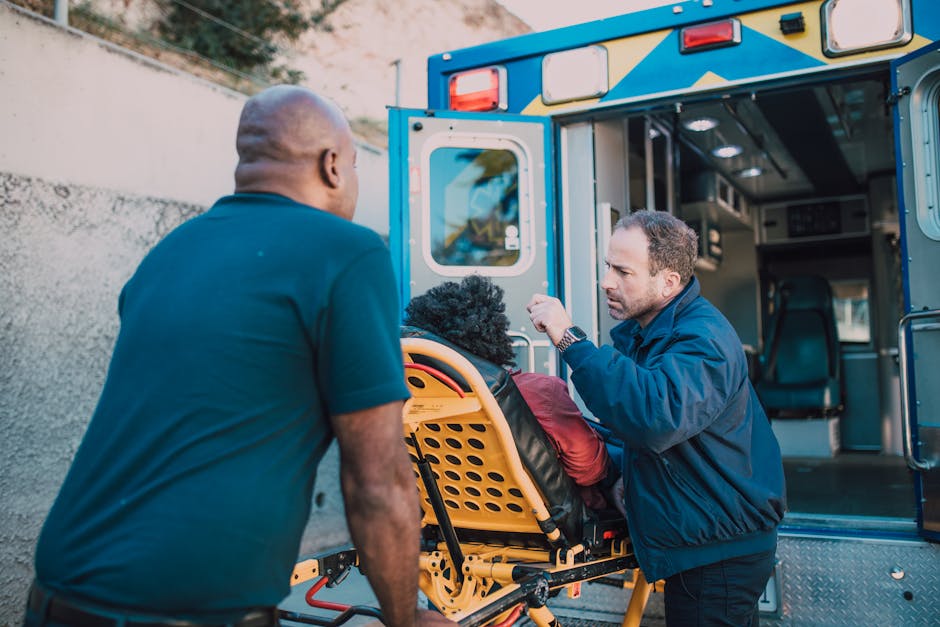
Living in California means living with the ever-present reality of earthquakes. The ground can shake without warning, turning a calm moment into immediate chaos. When the shaking stops, the true challenge begins for first responders: a sudden influx of injured individuals, often scattered across a wide area, with damaged infrastructure making access difficult. How do you quickly identify who needs help most urgently when resources are stretched thin and every second counts?
This isn’t just about personal preparedness; it’s about organized, effective emergency response on a larger scale. For fire-rescue, EMS, paramedics, and other critical personnel, having a battle-tested system in place is not a luxury, it’s a necessity. We understand the pressure you face in these mass-casualty incidents (MCIs).
That’s where the START Triage system comes into play. Designed to help responders quickly sort patients into priority categories, START offers a straightforward, user-friendly approach that allows you to allocate resources where they are most needed. It reduces decision fatigue under immense pressure, providing clarity in the aftermath of seismic events that can overwhelm conventional emergency services.
What is START Triage and How Does It Address Earthquake Casualties?
START, which stands for Simple Triage and Rapid Treatment, is a foundational method for managing mass-casualty incidents. It’s a systematic approach developed in 1983 by Newport Beach Fire Department and Hoag Hospital to help first responders quickly identify the most critically injured. In our practice, we’ve seen its effectiveness in real-world scenarios, including the 9/11 World Trade Center bombing and the 1995 Oklahoma City bombing, demonstrating its robustness under extreme pressure.
The system relies on a simple algorithm focused on three observable signs: Respiration, Perfusion, and Mental Status (RPM). By quickly assessing these factors, responders can triage each victim in 60 seconds or less. This speed is crucial when you’re facing dozens or hundreds of potential casualties after an earthquake. You need a system that is easy to learn, easy to remember, and easy to use, especially when the environment itself is compromised.
According to the Centers for Disease Control and Prevention, the goal of triage is to “sort injured people into groups based on their need for medical attention and the resources available to provide that attention.” This is exactly what START achieves in the chaotic aftermath of an earthquake. Our START training materials provide detailed guidance on implementing this crucial process.
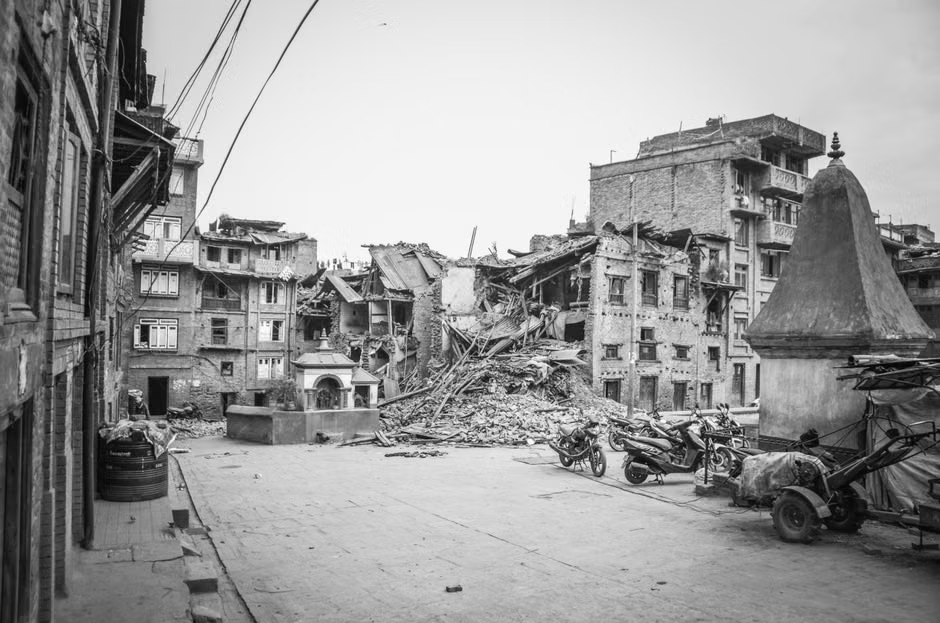
What is the 20-second rule for earthquakes?
While often associated with personal safety protocols like “Drop, Cover, and Hold On,” the “20-second rule” for earthquakes also informally underscores the urgency for first responders to act immediately post-event. It emphasizes that initial self-protection, followed by a swift assessment of the immediate environment, must happen before active search and rescue or triage operations can commence. For responders, this means ensuring your own safety and the safety of your team within those crucial first moments so you can then effectively help others.
Once the ground stops shaking, the scene can be dynamic and dangerous. Structural damage, downed power lines, and gas leaks are all immediate threats. Responders must quickly assess their surroundings and ensure team safety before approaching casualties. This rapid environmental assessment, though not a formal part of START, is a necessary prerequisite to effective triage. You can’t help others if you become a casualty yourself. Our training emphasizes this critical initial step for all personnel.
Earthquake Emergency Response: What to Look For
Earthquakes can cause a wide array of injuries, often impacting a large number of people simultaneously. Identifying the most life-threatening conditions quickly is paramount. Using START, responders will categorize victims based on their immediate needs, focusing on survivable injuries that require rapid intervention.
During an earthquake response, be vigilant for these common types of injuries and conditions:
- Crush Injuries: Caused by collapsed structures or heavy debris, leading to internal damage, compartment syndrome, and potential kidney failure.
- Severe Lacerations and Punctures: From broken glass, twisted metal, or shattered objects. These can lead to significant blood loss.
- Fractures and Dislocations: Especially of extremities and the spine, making patient movement challenging and requiring careful handling.
- Head Trauma: From falling objects or impacts during the shaking, ranging from concussions to severe brain injuries.
- Burns: Often secondary to ruptured gas lines or electrical fires ignited by the earthquake.
- Respiratory Distress: From inhaled dust, smoke, or structural debris, particularly in confined spaces.
- Shock: Resulting from blood loss, trauma, or psychological distress.
- Psychological Trauma: While not a primary triage category, the emotional impact can be debilitating, requiring support once immediate life threats are managed.
Understanding these potential injuries helps responders focus their assessment with the RPM algorithm. For instance, a patient with rapid, shallow breathing due to crush injury would immediately be flagged as a high priority.
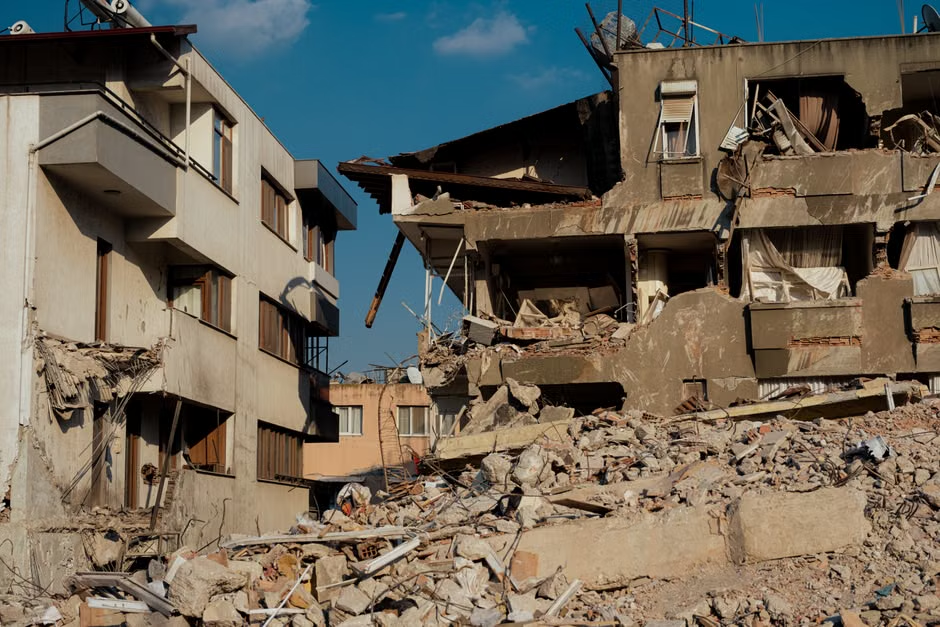
How START Triage Works in an Earthquake Scenario
When an earthquake strikes, the immediate aftermath is often characterized by a lack of clear information and overwhelming needs. The START system provides a systematic way to bring order to this chaos. Responders first perform a rapid assessment of ambulatory patients, directing those who can walk to a designated collection point. This simple step immediately clears the scene of those least injured, allowing focus on others.
Then, non-ambulatory patients are assessed using the RPM criteria:
- Respirations: Is the patient breathing? If not, open the airway. If still not breathing, tag them as DECEASED (Black). If breathing, is the rate over 30 per minute? If so, tag IMMEDIATE (Red). If under 30, proceed.
- Perfusion: Check for a radial pulse or capillary refill. If no radial pulse, or capillary refill is over 2 seconds, tag IMMEDIATE (Red). If perfusion is adequate, proceed.
- Mental Status: Can the patient follow simple commands? If not, tag IMMEDIATE (Red). If they can, tag DELAYED (Yellow). Those who can walk are tagged MINOR (Green).
This organized, memorable method assists responders in making quick decisions, reducing precious time spent on individual patients. For infants and children, we advocate for JumpSTART, a pediatric-specific variant that accounts for physiological differences in younger victims. Board-certified providers recommend this specialized approach for different victim demographics, ensuring appropriate care for all ages.
“In the acute phase of a disaster, the primary goal of triage is to do the greatest good for the greatest number. This often means focusing resources on those with critical but treatable injuries, rather than those with minor injuries or those who are unlikely to survive.”
This principle underpins the START system. By quickly categorizing patients, responders can then direct them to appropriate care levels or stages of evacuation, ensuring that limited resources are used effectively.
Nuanced Suitability: Beyond Triage Tags
While START Triage is incredibly powerful for initial scene management, it’s part of a larger emergency response ecosystem. It’s designed for rapid sorting, not definitive diagnosis or treatment. For instance, in an earthquake scenario where structural collapse is widespread, search and rescue operations (e.g., urban search and rescue teams) would precede or run concurrently with triage efforts. You can’t triage a patient you can’t access.
Also, after the immediate MCI phase, victims moved to treatment areas will require more detailed secondary assessments and ongoing medical care. START is the crucial first step that enables this subsequent care. It doesn’t replace advanced life support or hospital care; it streamlines the flow of patients to get them there.
It’s also important for responders to be aware of the psychological impact on both victims and themselves. While not a direct triage category, severe emotional distress can mimic physical injury or impede cooperation. Addressing these needs appropriately, after immediate life threats are managed, is part of a holistic response.
California Earthquake Preparedness Checklist for Responders
Effective earthquake emergency response hinges on preparedness, not just during the event, but for the entire cycle of planning, training, and drills. Here’s a checklist to help California first responders enhance their readiness:
- Regular START System Training: Ensure all personnel are current on START and JumpSTART protocols. Practice with realistic scenarios, including low-light conditions and simulated debris.
- Pre-positioned Equipment: Keep triage tags, basic first aid supplies, and communication equipment readily accessible in vehicles and emergency caches. Our training cards (50-pack) are designed for quick reference in the field.
- Interagency Coordination: Establish clear communication channels and mutual aid agreements with neighboring departments, hospitals, and local government agencies.
- Scenario-Based Drills: Conduct full-scale exercises that simulate earthquake conditions, including mock casualties, damaged infrastructure, and communication failures.
- Personal Preparedness: Encourage individual responders to have their own family emergency plans and go-bags, reducing personal stress during an actual event.
- Knowledge of Local Hazards: Understand local geological risks, critical infrastructure locations, and vulnerable populations (e.g., schools, nursing homes).
FEMA emphasizes the importance of community and individual preparedness, but for first responders, this means integrating these individual steps into a cohesive departmental plan. Andres Price, an experienced emergency services educator, stresses that “a well-drilled team, equipped with a simple, effective system like START, can truly make the difference when facing overwhelming circumstances like an earthquake MCI.”
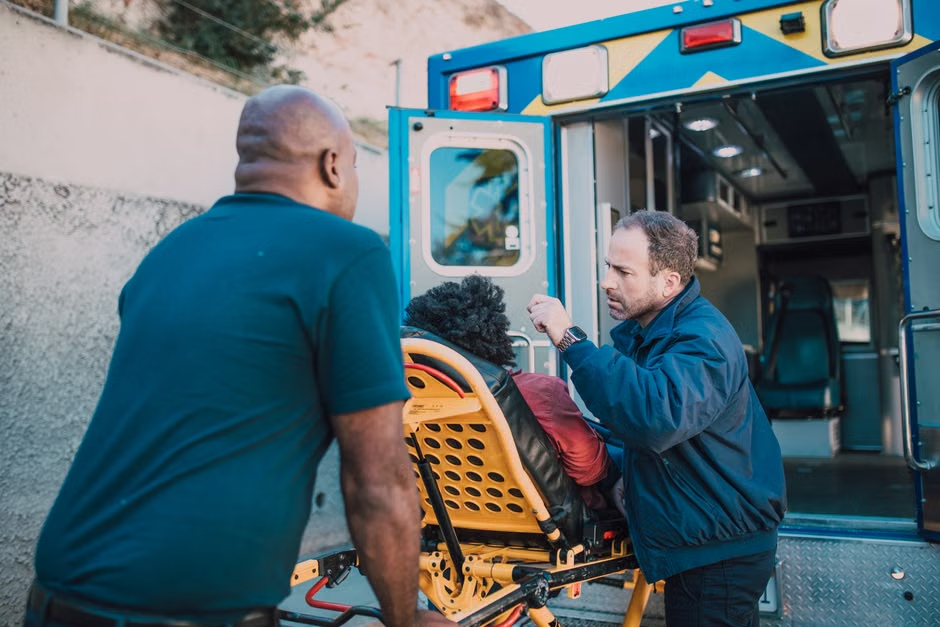
Emergency Response Team for Earthquake: Your Role and Training
In the aftermath of an earthquake, every member of an emergency response team has a critical role. For first-arriving units, this often means quickly establishing incident command, performing initial reconnaissance, and immediately initiating triage. You might be the first, or even the only, advanced medical help a victim sees for hours. Your ability to quickly and accurately triage can mean the difference between life and death for multiple victims.
Training isn’t a one-time event. California fire departments, for instance, have adopted START and integrate it into ongoing drills because consistent practice builds muscle memory and reduces decision fatigue when under pressure. We provide structured curriculum with instructor manuals, lesson plans, and drill plans, designed to ensure that responders with basic first aid knowledge can confidently apply the START methodology. This commitment to continuous training is an expertise signal that underscores readiness.
“Disasters are inherently unpredictable, but our response doesn’t have to be. A standardized, widely practiced triage system is the backbone of an effective medical response, allowing for coordinated care even amidst chaos.”
This highlights why systems like START are so vital. They provide that standardization, that common language and methodology, that allows disparate groups of responders to work together cohesively toward a common goal.
What to Expect from Rapid Triage in an Earthquake Scenario
The immediate outcome of rapid triage using START is a clearer picture of the incident scene and patient needs. Within minutes of a response team’s arrival and initial assessment, you’ll have patients categorized into IMMEDIATE, DELAYED, MINOR, and DECEASED. This doesn’t mean all problems are solved; it means you have an organized plan for resource allocation.
Expect to begin moving IMMEDIATE (Red) patients to definitive care first, followed by DELAYED (Yellow) patients. MINOR (Green) patients, while needing care, can often wait or self-evacuate with guidance. This systematic approach allows you to make the most of limited resources, potentially saving more lives than a haphazard response. While we aim for responders to triage each victim in 60 seconds or less, the overall incident management will unfold over hours, with continuous re-triage as patient conditions change and more resources arrive.
Earthquakes present unique challenges, but with the right training and a proven system like START, first responders can meet those challenges with calm authority and practical effectiveness, ensuring the greatest good for the greatest number when it matters most.

Recent Comments