
Drill Plans for START Triage: Scenario-Based Training Exercises
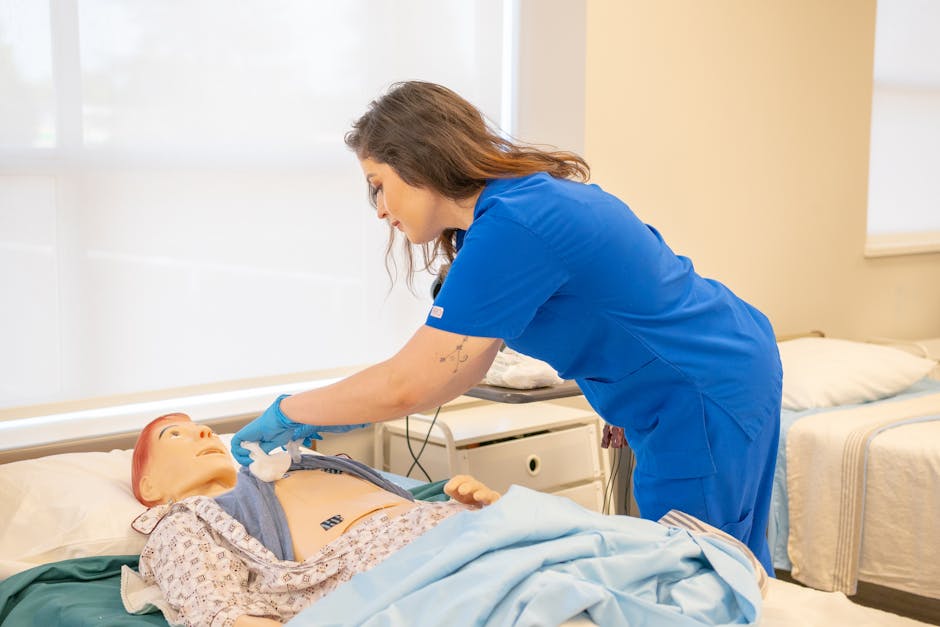
In the chaos of a mass-casualty incident, seconds aren’t just precious; they dictate who lives and who dies. First responders face immense pressure, needing to make rapid, life-or-death decisions with limited information and resources. This isn’t a situation for improvisation. It demands a system, a battle-tested protocol that guides action when every second counts.
That’s precisely where robust drill plans for START triage come into play. These aren’t simply exercises; they’re vital preparation that transforms theoretical knowledge into practiced, muscle-memory responses. They empower responders to quickly identify the most critically injured, ensuring resources are allocated effectively and lives are saved.
At the START Triage System, we’ve seen firsthand how practical, scenario-based training instills the confidence and competence needed for these challenging environments. Our resources, including detailed lesson plans for START triage, are designed to equip first responders with the skills to manage complex incidents, from active shooter events to natural disasters.
What is START Triage Training and Why are Drills Essential?
START (Simple Triage and Rapid Treatment) triage is a standardized method designed to quickly assess and categorize victims in a mass-casualty incident, allowing first responders to prioritize care and transport based on injury severity. It’s a pragmatic, easy-to-learn system that focuses on immediate, observable signs: Respiration, Perfusion, and Mental Status (RPM). Drills are essential because they move responders beyond memorizing the RPM algorithm. They immerse trainees in dynamic, high-stress simulations, forging decision-making under pressure.
This systematic approach, developed in 1983 by Hoag Hospital and Newport Beach Fire Department, ensures an organized, memorable method for initial assessment. It allows responders to triage each victim in 60 seconds or less. As the Centers for Disease Control and Prevention (CDC) notes, effective incident management, including triage, is critical for minimizing morbidity and mortality in disaster situations. You need a system that is easy to learn, easy to remember, and easy to use.
“Effective disaster triage systems are paramount for optimizing patient outcomes during mass casualty events by ensuring that limited resources are directed to those who can benefit most from immediate intervention.”
Drills aren’t just about repetition; they’re about fostering critical thinking and adaptability. In our practice, we’ve found that even seasoned professionals benefit significantly from recurring, realistic scenarios that challenge their preconceived notions and reinforce the START methodology.
How Do You Practice START Triage Effectively?
Effective START triage practice moves beyond classroom lectures and static diagrams, focusing on dynamic, hands-on scenarios that replicate the stress and complexity of a real mass-casualty incident. It involves simulating various victim presentations, environmental factors, and resource limitations. The goal is to build muscle memory and reduce decision fatigue under pressure, allowing responders to apply the RPM algorithm swiftly and accurately.
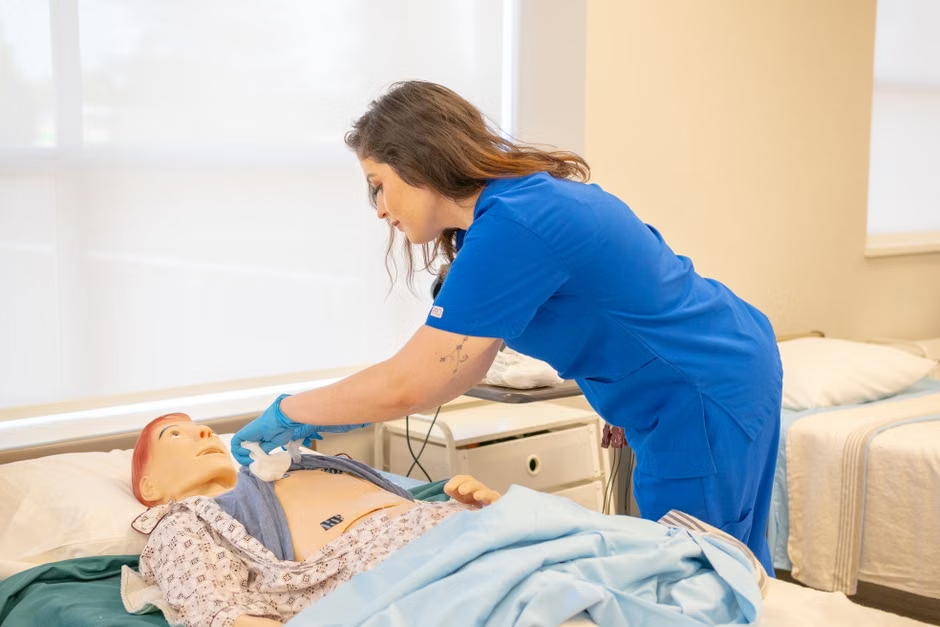
To truly ingrain the START process, practice sessions should incorporate:
- **Scenario Variety:** Don’t just run the same scenario. Mix up incident types (earthquake, active shooter, industrial accident) and victim demographics to challenge responders.
- **Realistic Moulage:** Use makeup, props, and simulated injuries to make victims appear realistic. This helps responders overcome initial shock and focus on assessment.
- **Time Constraints:** Enforce the “60 seconds or less” rule per victim. This pressure helps build speed and efficiency.
- **Limited Resources:** Simulate shortages of personnel, equipment, or transport to force difficult prioritization decisions, mirroring real-world conditions.
- **Post-Drill Debriefing:** A thorough debrief is crucial. Discuss what went well, what could improve, and clarify any ambiguities in the START protocol.
We emphasize that the most effective training involves practical application. This is why our START Training for First Responders: Certification and Competency programs include extensive hands-on components. The system was designed in 1983 and updated in 1994, with its principles validated in major incidents like the 9/11 World Trade Center bombing and the 1995 Oklahoma City bombing.
What are Some START Triage Patient Examples?
START triage patient examples highlight how the RPM (Respiration, Perfusion, Mental Status) algorithm guides rapid classification. A patient’s status determines their triage category: RED (Immediate), YELLOW (Delayed), GREEN (Minor), or BLACK (Deceased). These examples aren’t exhaustive but illustrate the core decision points in under a minute per victim.
Let’s look at a few hypothetical patient presentations and how the START algorithm would classify them:
- **Patient A (RED – Immediate):** Found lying unresponsive. You observe spontaneous respirations at 32 breaths per minute. Capillary refill is greater than 2 seconds, and they cannot follow simple commands. This patient has a compromised respiratory rate, poor perfusion, and altered mental status. They need immediate intervention.
- **Patient B (YELLOW – Delayed):** Conscious, complaining of significant pain in a leg that appears deformed. Respirations are 18 breaths per minute, capillary refill is less than 2 seconds, and they can follow commands. This person has serious injuries but isn’t immediately life-threatening. They can wait for transport after immediate patients are managed.
- **Patient C (GREEN – Minor):** Walking wounded, with minor cuts and scrapes. They are alert, talking, and able to walk to a designated collection point. Respirations are normal, perfusion is good, and mental status is clear. They require minimal first aid and can be moved away from the hot zone.
- **Patient D (BLACK – Deceased):** No spontaneous respirations after attempts to reposition the airway. No palpable pulse. This individual is non-salvageable given the mass casualty context and limited resources.
These examples underscore the system’s efficiency. Board-certified providers recommend that responders move quickly, making decisions based on the most immediate, observable signs. Remember, START isn’t about diagnosing specific injuries; it’s about categorizing urgency.
What are Typical Mass Casualty Triage Scenarios?
Mass casualty incident (MCI) triage scenarios vary widely but typically involve a sudden influx of patients overwhelming conventional emergency response capabilities. Common scenarios include natural disasters like earthquakes or floods, transportation accidents with multiple vehicles, industrial explosions, or acts of intentional violence such as active shooter events or bombings. Each scenario presents unique challenges in terms of scene safety, access, and victim presentation, demanding adaptable and effective triage protocols.
When developing drill plans for these scenarios, we consider factors such as:
- **Natural Disasters:** An earthquake emergency response, for example, presents victims with crush injuries, structural collapse, and potential entrapment. Scenario-based training would simulate difficult access and widespread victim distribution.
- **Active Shooter/Terrorism:** These incidents often involve ballistic trauma, blast injuries, and a hostile environment. Drills focus on integrating tactical considerations with medical triage, emphasizing speed and limited on-scene treatment.
- **Transportation Accidents:** Multi-vehicle collisions can involve various injury types, from blunt force trauma to burns. Scenarios can vary the number of vehicles, patient conditions, and environmental hazards.
- **Industrial Accidents:** Exposure to hazardous materials, chemical burns, and blunt force trauma from machinery are common. Training must incorporate decontamination protocols alongside triage.
The effectiveness of START triage was notably demonstrated during the 1995 Oklahoma City bombing. First responders, including those trained on the system, were able to process a large volume of casualties efficiently, illustrating its practical utility in high-stress, complex environments. Understanding these diverse contexts is crucial for comprehensive START training materials and effective drill plan development.
“Preparing for mass casualty incidents demands adaptable training scenarios that account for diverse injury patterns and environmental complexities, ensuring responders can apply systematic triage effectively under duress.”
— National Library of Medicine (PMC article on MCI preparedness)
Practical Tips for Developing and Implementing START Triage Drill Plans
Developing effective drill plans for START triage requires careful planning and a commitment to realism. The goal is to create immersive experiences that challenge responders and reinforce the core principles of RPM.
- **Define Clear Objectives:** What specific skills or decision-making processes do you want to test? Is it speed, accuracy, communication, or resource allocation?
- **Craft Realistic Scenarios:** Use real-world incident data or local risks (e.g., specific industrial hazards, local traffic patterns) to inform your scenario design. Detail the incident type, number of victims, injury profiles, and environmental factors.
- **Utilize Realistic Moulage and Role-Players:** High-quality moulage and trained role-players can significantly enhance immersion. Brief your role-players on their patient profiles (vital signs, complaints, mental status) to ensure consistent and accurate responses.
- **Integrate Communication Protocols:** Triage isn’t just about individual assessment; it’s about communicating findings up the chain of command and with transport teams. Incorporate radio traffic and reporting procedures into drills.
- **Vary Difficulty and Complexity:** Start with simpler scenarios and gradually increase the number of victims, injury complexity, and environmental stressors. This builds confidence before tackling the most challenging situations.
- **Conduct Thorough Debriefings:** After each drill, facilitate a structured debriefing. Encourage self-assessment and peer feedback. Review performance against objectives, discuss alternative actions, and clarify any questions about the START protocol.
Remember, the goal isn’t just to complete the drill, but to learn and improve. Andres Price, one of our key educators, always stresses the value of comprehensive debriefings in turning practice into true mastery.
Preparing for mass-casu alty incidents is an ongoing commitment. While classroom instruction provides the foundational knowledge, it’s the scenario-based drill plans that truly prepare first responders for the unpredictable realities of an MCI. These exercises transform knowledge into confident action, ensuring that when chaos erupts, responders can triage each victim in 60 seconds or less, saving lives and making a tangible difference in critical moments. Invest in robust drill plans, and you’ll invest in the safety and effectiveness of your entire emergency response team.

Recent Comments